
How Thoughtful Kitchen Renovations Can Boost Your Health and Nutrition
For home cooks planning a kitchen renovation, the biggest choices often focus on looks and resale value, while nutrition and wellness get treated as an afterthought.
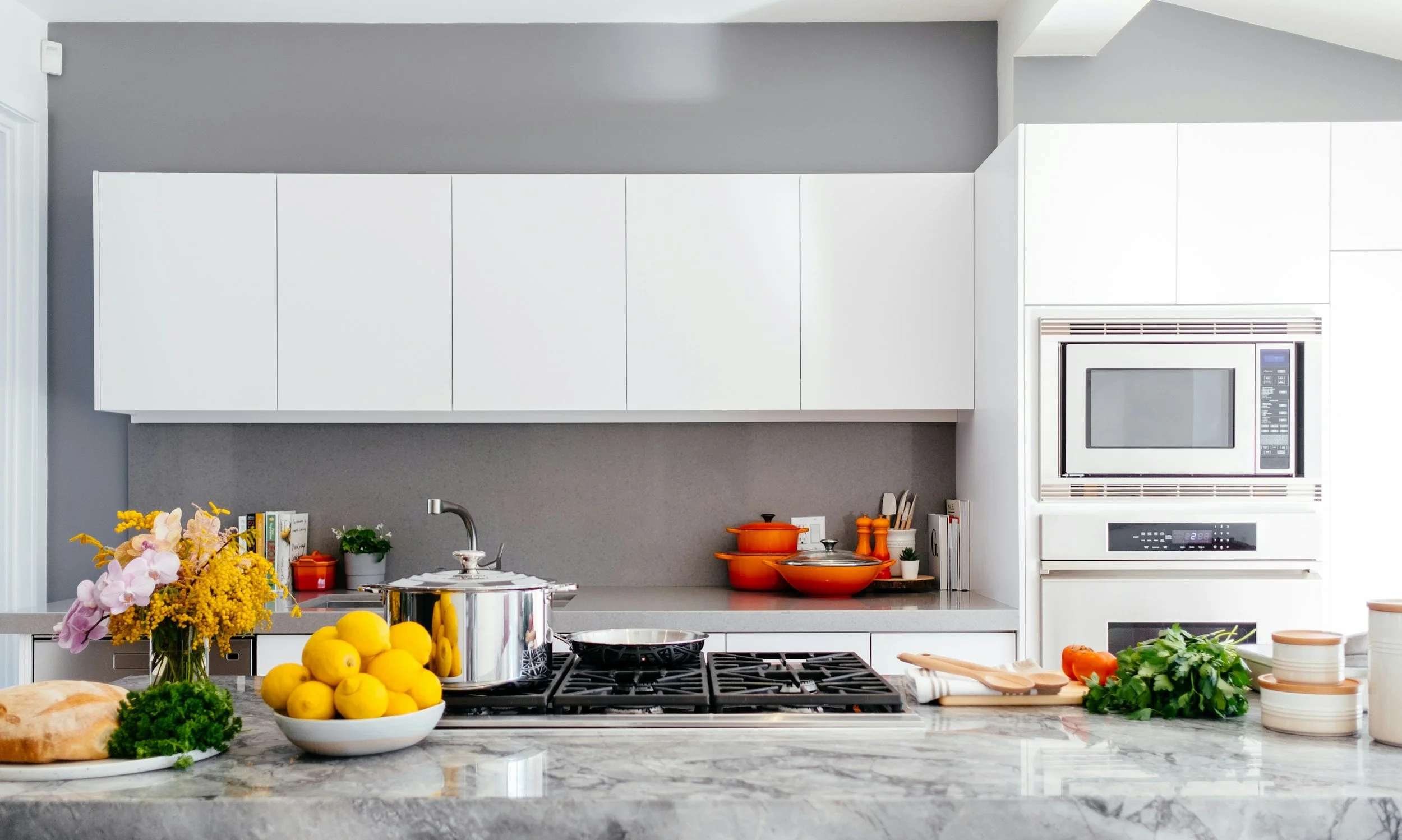
The tension is real: even motivated cooks fall back on takeout or processed snacks when the kitchen layout, storage, or daily flow makes healthy cooking feel like extra work. Healthy kitchen design matters because small, repeated friction points can steer habits just as powerfully as willpower. With the right mindset, renovation decisions can become gentle daily cues that support better meals and long-term health benefits.
Understanding Intentional Kitchen Design
Intentional kitchen design means shaping your space around the way you want to eat, not just the way you want it to look. It blends kitchen layout optimization, healthy appliance selection, smart food storage solutions, and low-fuss materials so good choices take less effort. A sustainable kitchen layout focuses on efficient flow, which can make cooking feel simpler.
This matters because your kitchen quietly sets your default behavior. When prep tools are close, ingredients are visible, and appliances support healthier methods, you cook more often and waste less. Over time, sustainable kitchen design can support healthier living spaces while keeping day-to-day routines more manageable.
Picture coming home tired and opening a fridge with clear bins for chopped veggies, proteins, and grab-and-go snacks. The sheet pan lives next to the oven, and the air fryer is already on the counter, so dinner becomes a 15-minute habit. Even cleanup feels lighter when surfaces wipe clean quickly.
Upgrade Your Sink and Plumbing for Cleaner, Smoother Cooking
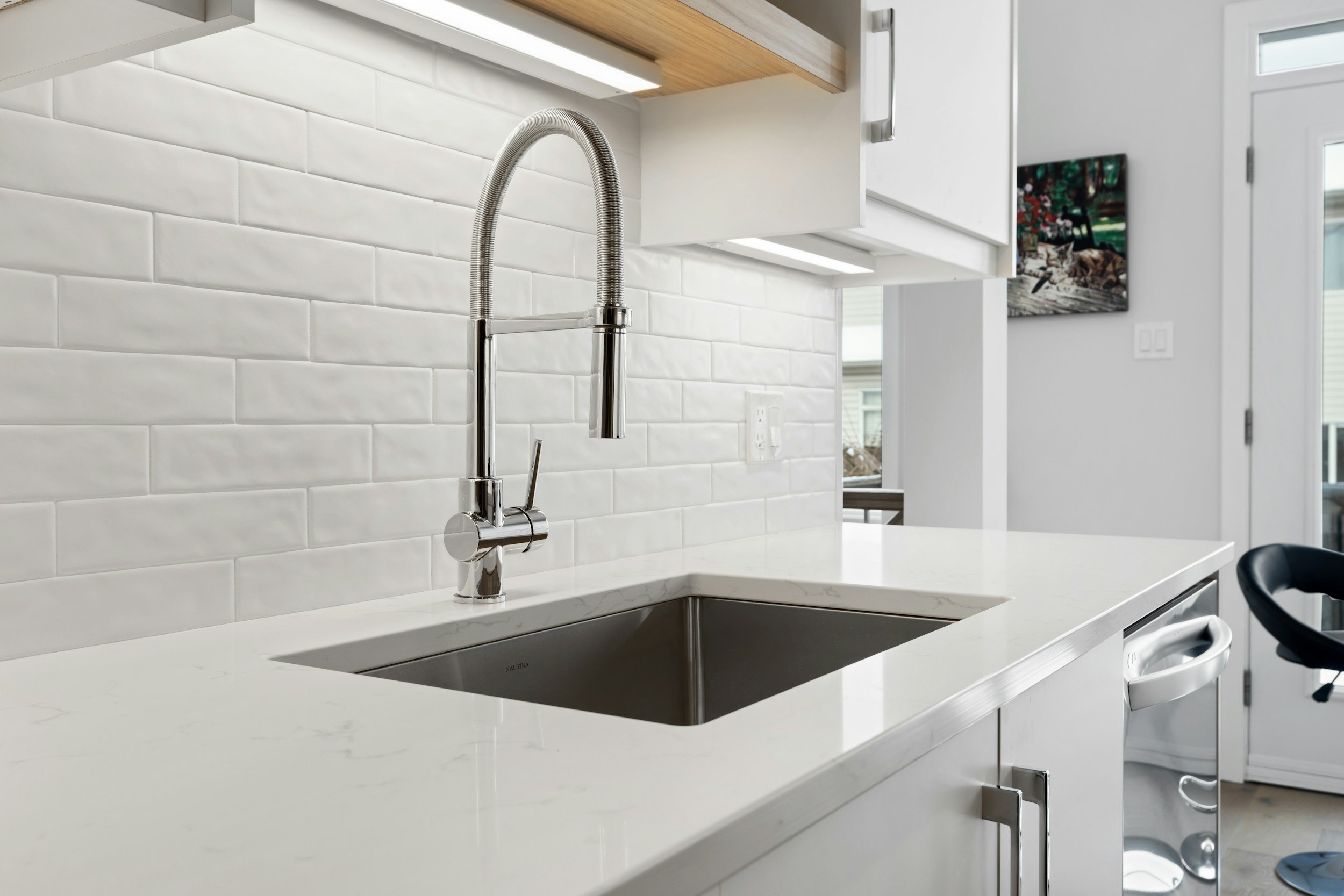
Once your kitchen is designed with intention, the plumbing details can make healthy routines feel effortless instead of fussy. Upgrading your sink setup is a practical way to support cleaner food prep and faster cleanup, two things that make it easier to cook at home consistently. A high-efficiency sink paired with a pull-down sprayer helps you rinse produce thoroughly and wash up quickly as you go.
Adding a pot filler can streamline boiling grains, beans, or pasta by reducing trips back and forth with heavy water-filled pots. And if you install a water filtration system, you make it more convenient to use clean-tasting water for cooking and washing, which supports everyday healthy habits over the long haul.
Because these components get used constantly, it’s worth sourcing professional-grade parts from a reputable supplier; using a broad selection of plumbing supplies can help you find dependable fixtures and connections that make upgrades (and future repairs) simpler.
Nutrition-Supportive Renovation Options Compared
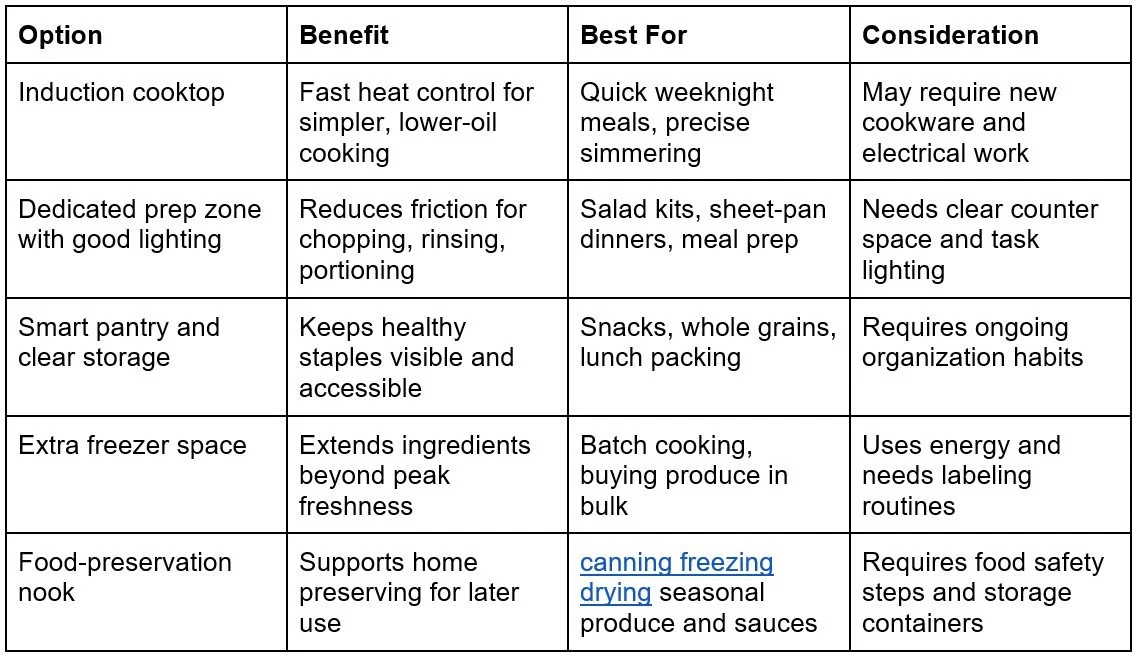
This quick comparison links common renovation choices to the everyday behaviors that shape nutrition, like cooking more often, wasting less produce, and keeping ingredients visible. Use it to match your budget and space to the upgrades most likely to make healthy meals the easy default.
A helpful way to choose is to prioritize what removes your biggest “stopping points” like time, mess, or forgotten ingredients. If you cook often, focus on cooking and prep flow; if food waste is the issue, prioritize storage and preservation. Knowing which option fits best makes your next move clear.
Use This Renovation Checklist to Build a Health-Supportive Kitchen
A health-supportive kitchen isn’t about perfection, it’s about making the healthy choice the easy choice. Use this checklist to turn “good intentions” into renovation decisions that protect nutritional wellness in kitchens day after day.

Write a one-page “food routine” brief before you pick finishes: List the meals you cook most (weeknight sheet-pan dinners, weekend batch cooking, packed lunches) and what currently gets in the way (no landing space, messy pantry, poor lighting). This makes health-supportive design choices easier to prioritize when you’re comparing options like better storage vs. more seating. A simple brief also helps you avoid spending on features that don’t support your real cooking habits.
Lock in a cook-friendly workflow with three landing zones: Create clear counter space at three points: unloading groceries (near the fridge/pantry), prepping (near the sink/trash), and plating/packing (near the stove or microwave). Aim for at least a few feet of uninterrupted counter at the prep zone so chopping and assembling meals doesn’t feel cramped. If your comparison table showed layout impacting on wellness, this is the “behavior change” lever: when the path is smooth, home cooking happens more often.
Choose appliances based on how you’ll use them, not the spec sheet: Start with your top two health goals (cook more vegetables, reduce deep-frying, pack lunches) and match appliances accordingly. Many remodel checklists emphasize choosing crucial appliances around your routines, like prioritizing a larger fridge if you buy produce weekly, or a second oven if you batch cook. If you’re considering new cooking tech, the NKBA reports 74% of respondents expect steam cooking/air frying to support healthier cooking methods, which can be a practical upgrade if it replaces takeout nights.
Design “healthy storage” so nutritious foods are the most visible: Put everyday healthy items at eye level: a fruit bowl on the counter, whole grains and beans in clear containers, and snack bins you can grab quickly. Reserve the most convenient shelf space for meal-prep staples (sheet pans, cutting boards, salad spinner) so friction stays low. If you’re upgrading pantry cabinetry, include one deep drawer for bulk items and one shallow drawer for spices and lunch add-ins.
Use lighting and ventilation as health tools, not afterthoughts: Bright, even task lighting at the prep zone reduces errors and makes cooking feel easier, especially for knife work and reading labels. Pair that with strong ventilation to manage smoke and lingering odors that can make cooking unpleasant and push you toward convenience foods. If you’re replacing the hood, confirm it vents outside and that it’s sized appropriately for your range.
Pick materials that are easy to clean and comfortable to work on: For countertops and backsplash, favor durable, low-maintenance surfaces that tolerate frequent wipe-downs, acidic foods, and daily meal prep. Add a dedicated “mess-friendly” prep spot, like a heat-safe section near the stove for hot pans or a pull-out trash/recycling station at the prep zone. When cleanup is fast, it’s easier to cook real food on busy nights.
Make One Kitchen Design Shift That Supports Health Daily
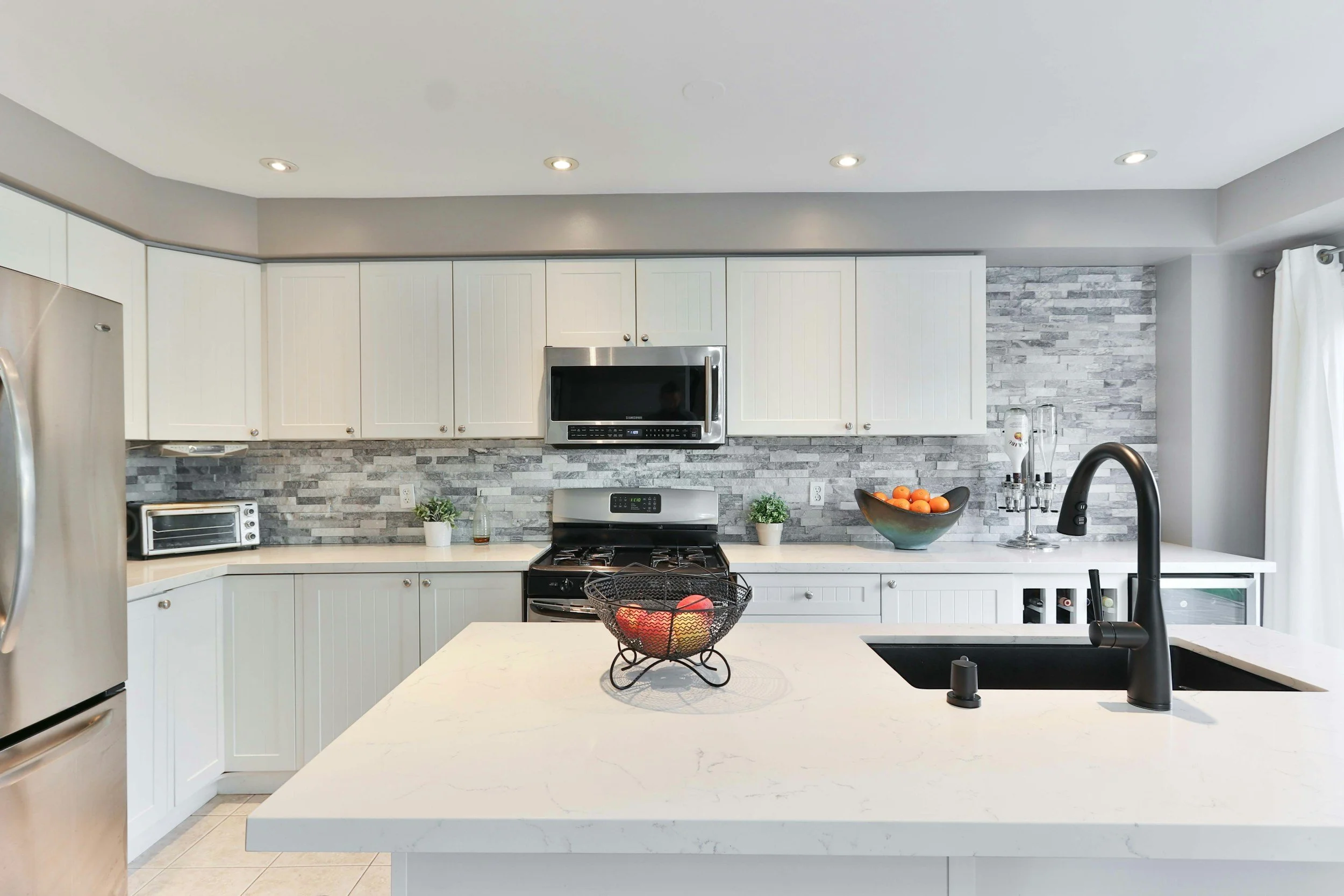
It’s hard to eat well when the kitchen makes healthy choices feel inconvenient and less appealing than quick fixes. The most reliable approach is treating kitchen design and health as connected, using wellness through the environment so good food becomes the easy default. When the space supports cooking, storing, and cleaning with less friction, sustained healthy habits follow and the benefits of thoughtful renovation show up as long-term nutrition improvements. Design the kitchen so the healthy choice is the easiest choice.
Article contributed by Sharon Wagner of seniorfriendly.info.